Picking a microphone for your computer can feel like a daunting task once you start wading through spec sheets full of unfamiliar terms and a marketplace bursting with options. Whether you're setting up for competitive gaming sessions, launching a podcast, or building a streaming channel, the right microphone makes a genuine difference to how you sound and how your audience perceives you. This guide walks through the technical basics, the practical use cases, and the brands worth trusting so you can make a confident, informed choice.
Key points
- Understanding frequency response is crucial, as a boosted presence in upper-mid frequencies improves speech clarity, while a flatter response is better for recording instruments.
- The Sound Pressure Level (SPL) rating indicates how much volume a microphone can handle before distortion occurs, which is important for loud environments or energetic recording.
- A cardioid pickup pattern is the most practical choice for gamers, as it focuses on the user's voice while rejecting unwanted background noise like keyboard clicks.
- Professional streamers and podcasters should prioritize microphones with adjustable gain, real-time monitoring, and the ability to add accessories like boom arms and shock mounts.
- Well-known brands like Shure, Rode, Blue Yeti, and Audio-Technica offer superior build quality, reliability, and better internal components that justify their premium pricing.
- When choosing a microphone, buyers must balance technical specifications like self-noise and sensitivity with their specific use case to ensure the best performance for their budget.
Understanding essential microphone specifications: frequency response and sound pressure level
Before comparing individual products, it helps to understand a couple of core specifications that shape how a microphone actually performs. These figures might look intimidating at first glance, but they translate into very tangible differences in sound quality once you know what to look for.
What frequency response means for your recording quality
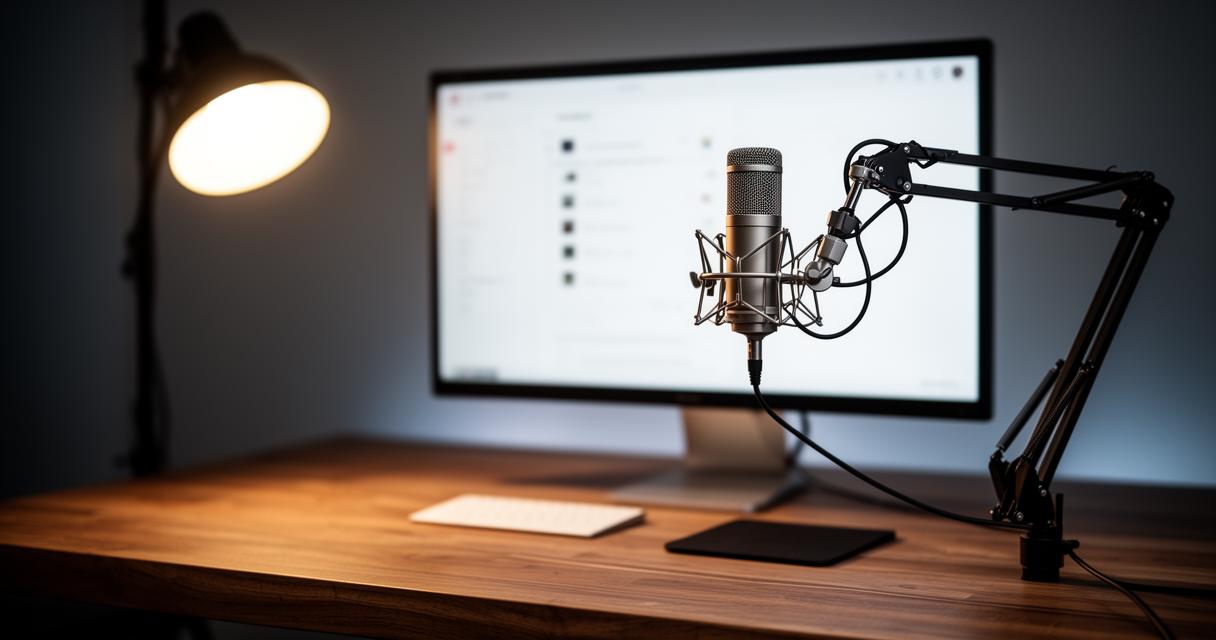
The frequency response of a microphone describes the range of pitches it can pick up, usually measured in hertz from the lowest bass tones to the highest treble frequencies. Human speech generally sits within a fairly narrow band, so a microphone doesn't necessarily need an enormous range to sound excellent for voice work. What truly matters is how flat or shaped that response curve is across the range that counts. A microphone with a boosted presence around the upper-mid frequencies, for instance, can make spoken word sound clearer and more intelligible, which is precisely why so many broadcast-style microphones are tuned this way. If you're recording music or a variety of instruments alongside vocals, though, you'll want a broader and more even response so nothing gets lost or exaggerated unnaturally.
Decoding sound pressure level (spl) and why it matters
The sound pressure level rating, often shortened to SPL, tells you how loud a sound can get before the microphone starts distorting. This becomes particularly relevant if you shout during gaming moments, sing, or record close to loud instruments. A higher maximum SPL gives you more headroom before the capsule struggles, and it's a spec worth checking if your setup involves anything louder than calm conversational speech. Alongside SPL, it's worth glancing at sensitivity and self-noise figures, since a microphone that's overly sensitive might pick up your keyboard clatter or computer fan, while excessive self-noise can introduce a faint hiss into otherwise clean recordings.
Choosing the Perfect Microphone for Your Specific PC Application
Specifications only tell half the story. The other half depends entirely on what you actually intend to do with your microphone, since a setup built for casual gaming chats has very different demands from one built for professional podcast production.
Best Microphones for Gaming: Balancing Voice Clarity and Ambient Noise Reduction
Gamers typically want a microphone that captures their voice clearly during intense moments without also broadcasting every keystroke, mouse click, or background hum to teammates and viewers. A cardioid pickup pattern, which focuses on sound coming from directly in front of the microphone while rejecting noise from the sides and rear, tends to be the most practical choice here. Many gaming-oriented microphones also include built-in pop filters or foam windscreens to soften plosive sounds, along with mute buttons for quick control during matches. Headset microphones remain popular for their convenience and consistent mouth-to-mic distance, though standalone desktop microphones generally deliver noticeably richer audio quality for those willing to dedicate a bit more desk space.
Podcasting and streaming requirements: what professional content creators need
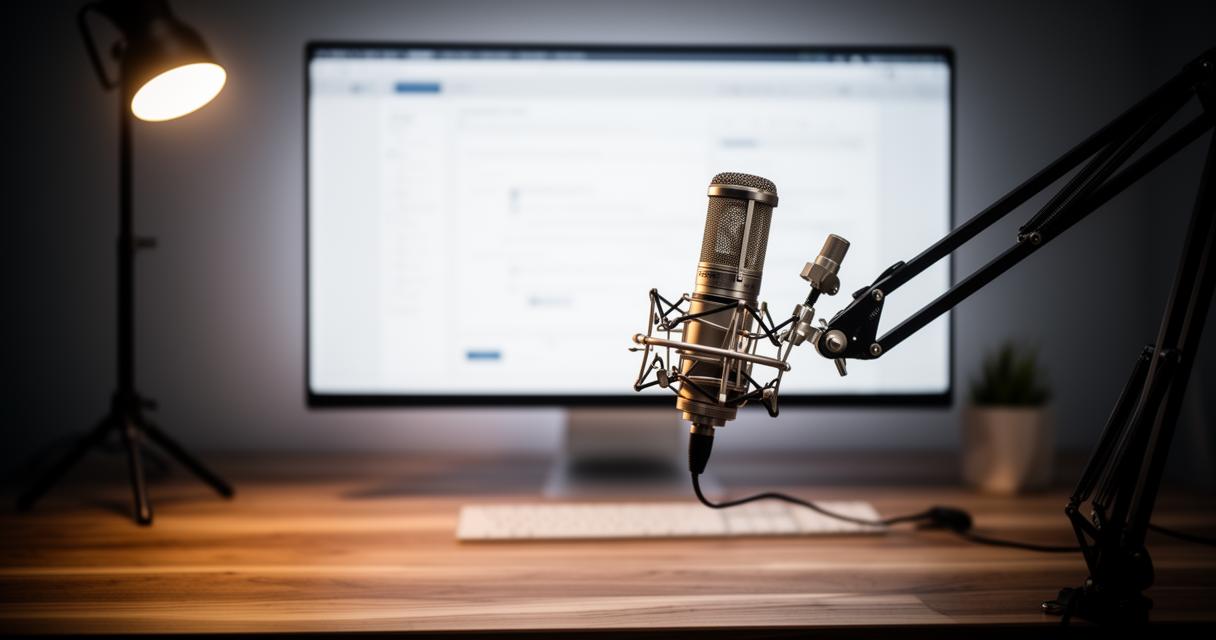
Podcasters and streamers tend to have higher expectations, largely because their audio is often the primary product their audience consumes. For these applications, a USB or XLR microphone with a warm, natural tone and solid build quality becomes essential. Streamers benefit enormously from adjustable gain controls and real-time monitoring through a headphone jack, allowing them to catch feedback or distortion before it ruins a recording. Podcasters, meanwhile, often work with multiple guests, so microphones offering multiple pickup pattern options, such as switching between cardioid and omnidirectional, provide welcome flexibility. It's also worth considering a boom arm and shock mount alongside the microphone itself, since these accessories reduce handling noise and desk vibrations that can otherwise creep into an otherwise polished recording.
Trusted brands and budget considerations: finding value across all price points
With so many manufacturers competing for attention, it helps to know which brands have earned their reputation through consistent quality, and where you can still find excellent value without spending a fortune.
Premium Options from Shure, Rode, Blue Yeti, and Audio-Technica: What You're Paying For
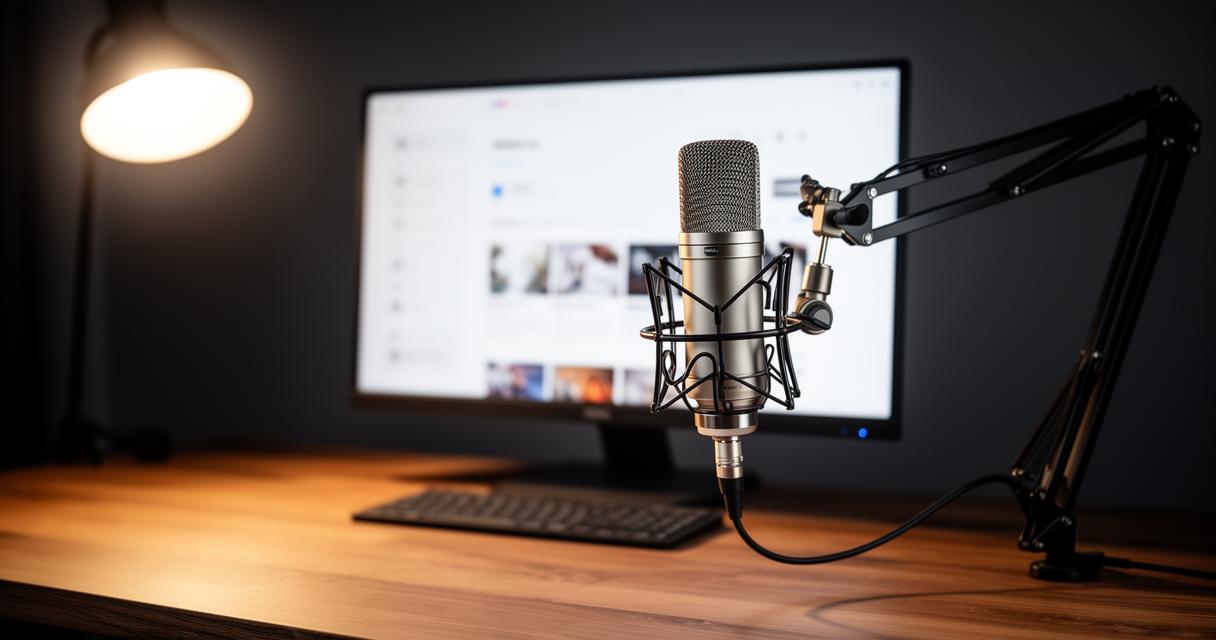
Names like Shure, Rode, Blue Yeti, and Audio-Technica have become almost synonymous with reliable microphone performance, and for good reason. Shure's broadcast-quality models are built to withstand years of heavy use while delivering warm, professional vocal reproduction. Rode has built a loyal following among content creators for microphones that combine clean sound with thoughtful design touches, such as onboard controls and sturdy metal housings. Blue Yeti remains a favourite entry point into higher-end audio thanks to its plug-and-play simplicity paired with genuinely impressive sound quality. Audio-Technica, meanwhile, offers a wide catalogue spanning affordable models right through to studio-grade options, giving buyers room to grow into better gear over time. When you pay a premium for these brands, you're typically getting tighter manufacturing tolerances, better internal components, and customer support that can actually resolve issues.
Budget-friendly alternatives that don't compromise on core features
Spending less doesn't automatically mean settling for poor sound. Plenty of budget microphones now include respectable frequency response curves, decent build quality, and useful extras like tripod stands or pop filters bundled in the box. The key is prioritising which features actually matter for your intended use rather than chasing every specification on a marketing page. A gamer chatting with friends doesn't need studio-grade sensitivity, while a podcaster recording solo episodes might not require multiple pickup patterns at all. Reading real user feedback and comparing sample recordings online can reveal a lot more than the spec sheet alone, helping you spot budget options that genuinely punch above their price. Ultimately, the smartest approach is matching the microphone to your actual habits and environment, since the most expensive model on the market won't necessarily outperform a cheaper one if it's poorly suited to how you actually plan to use it.