Across the United Kingdom, the way heritage sites are managed has quietly shifted from dusty ledgers and handwritten catalogues to something far more dynamic. Museums, historic houses, and cultural institutions are embracing digital heritage tools that not only streamline internal operations but also transform how visitors connect with the past. This change is not simply about convenience; it reflects a broader recognition that technology and tradition can work hand in hand to safeguard what matters most for generations to come.
The essentials
- UK heritage organisations are transitioning from manual record-keeping to cloud-based platforms to improve collections management and internal coordination.
- Digital transformation supports fundraising by providing potential donors with transparency regarding how their contributions enhance preservation efforts.
- Real-time data analytics from sensors and ticketing systems allow management to make informed, efficient decisions about staffing, conservation, and visitor flow.
- Mobile applications are transforming visitor experiences by offering interactive maps, audio tours, and content that appeals to younger audiences.
- Immersive technologies like virtual and augmented reality enable users to interact with reconstructed historical scenes and vanished artefacts.
- Heritage professionals are increasingly focused on developing digital skills, such as laser scanning and 3D documentation, through international training programmes.
- Global collaboration and knowledge sharing among heritage experts foster a deeper understanding of digital methods and community engagement strategies.
The digital transformation of heritage site management
From paper records to cloud-based platforms: modernising collections management
For decades, heritage management relied heavily on physical archives, with curators and administrators sifting through boxes of index cards and typed inventories. Today, cloud-based platforms have become the backbone of collections management, allowing institutions to catalogue artefacts, track their condition, and share information seamlessly between departments and even across international offices. This shift has been particularly valuable for organisations juggling complex organisational structure demands, where an advisory board, executive leadership, and on-the-ground staff all need access to the same up-to-date records. A clear mission statement often underpins these digital investments, reminding teams that the technology serves the deeper purpose of preservation rather than replacing it.
Institutions have also found that digitisation supports their fundraising efforts. When potential donors can see, quite literally, how their charitable contributions translate into better-preserved collections or more accessible archives, they are often more inclined to give. This is why many heritage bodies now pair their digital transformation stories with a straightforward call to action, encouraging supporters to donate now and become part of the preservation journey.
Real-time data analytics: enhancing operational efficiency at historic properties
Beyond cataloguing, real-time data analytics has become indispensable for the day-to-day running of historic properties. Footfall sensors, ticketing systems, and environmental monitors now feed information directly to management teams, helping them make swift decisions about staffing, conservation priorities, and visitor flow. This data-driven approach has proven especially useful for organisations offering executive leadership training, field schools, and certificate programmes, as it allows trainers to demonstrate practical applications of technology rather than relying solely on theory.
Professional development has become deeply intertwined with these analytical tools. Heritage professionals attending conferences increasingly expect sessions dedicated to data management, with conference speakers sharing case studies from their own institutions. Conference venues themselves have adapted, incorporating digital displays and interactive exhibits that mirror the very technologies being discussed on stage.
Enriching visitor experiences through mobile applications and immersive technologies
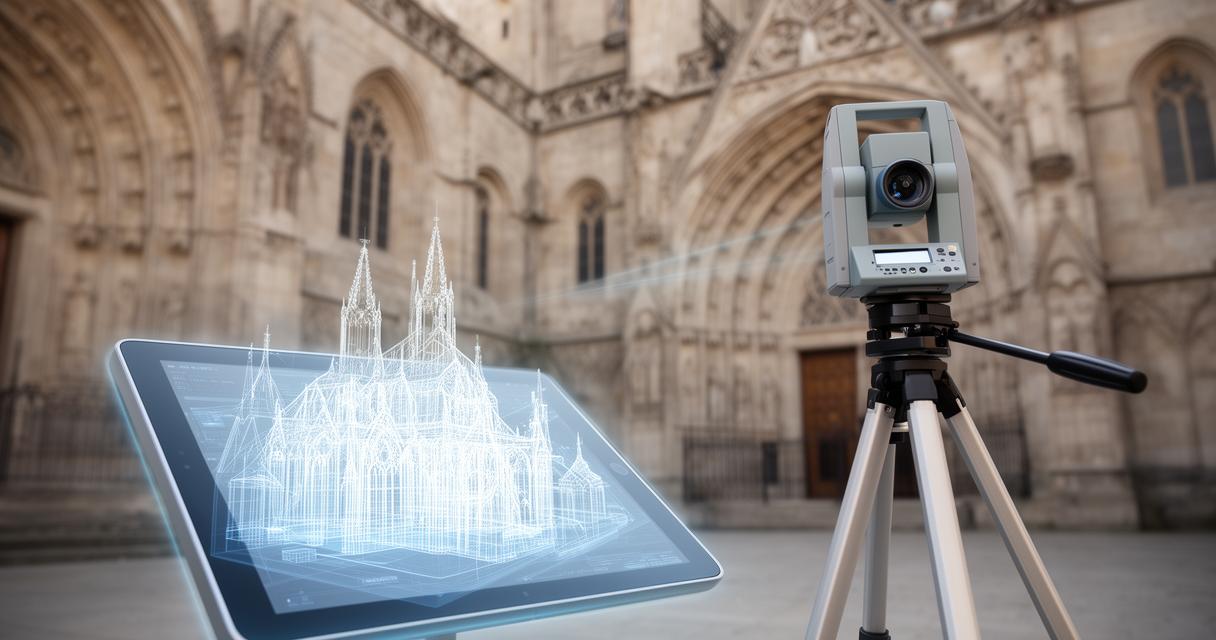
Mobile Apps as Digital Guides: Engaging Audiences and Promoting Heritage Across the UK
Mobile applications have redefined how audiences engage with heritage sites. Rather than relying solely on printed leaflets, visitors can now download an app before arriving, allowing them to explore interactive maps, listen to curated audio tours, and access behind-the-scenes content that brings history to life. These tools have proven particularly effective in reaching younger audiences, who often expect a degree of digital interactivity wherever they go. For many institutions, this represents a crucial extension of their broader heritage education strategy, ensuring that learning continues well beyond the physical boundaries of a site.
Community engagement has also benefited enormously from this mobile-first approach. Local heritage initiatives, particularly smaller ones without vast marketing budgets, have used apps to promote their own stories alongside larger national narratives. This has fostered a sense of shared ownership over heritage, encouraging communities to see themselves as active participants rather than passive observers.
Virtual and Augmented Reality: Creating Immersive Experiences for the Next Generation
Immersive technologies such as virtual and augmented reality have taken visitor engagement a step further, allowing people to walk through reconstructed historical scenes or observe artefacts that no longer exist in physical form. These experiences are particularly powerful for capacity building among younger visitors, who often respond more enthusiastically to hands-on, sensory learning than to traditional exhibits alone.
Recent training initiatives have highlighted just how central these tools have become to professional development within the sector. A notable example comes from the 2026 Digital Tools Summer School, which brought together twenty-seven heritage professionals from twenty-three countries, blending online education with intensive fieldwork. Participants learned to apply Geographic Information Systems and 3D documentation techniques, skills that are increasingly essential for accurate heritage documentation. Their field experience included a ten-day placement in Greece, where they practised laser scanning and drone photogrammetry, gaining direct exposure to the same digital archaeology methods now used at heritage sites throughout Britain.
This programme also exemplified the value of a global learning community, with participants representing countries across five continents. Such cross-continental collaboration enriches professional networking considerably, allowing heritage professionals to compare approaches and challenges from vastly different cultural contexts. Looking ahead, the 2025 summer schools have already been announced, with two distinct programmes focusing respectively on engaging communities in cultural heritage and on digital tools for cultural heritage management, each incorporating practical workshops rooted in local initiatives.
Investment, Valuation, and the Future of Heritage Management
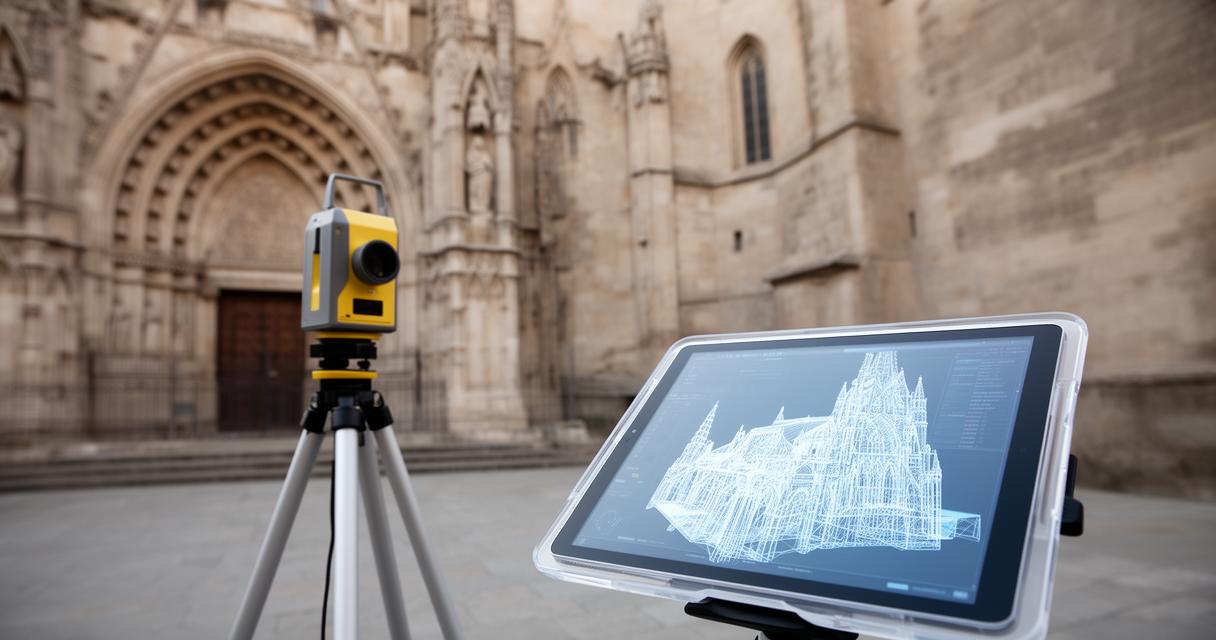
Financial considerations: funding digital innovation in cultural institutions
Naturally, none of this technological progress comes without financial considerations. Institutions must weigh the cost of adopting new systems against their long-term value, often turning to a mixture of public funding, corporate sponsorship, and charitable contributions to make ambitious projects viable. Sustainable heritage practices increasingly depend on this careful balancing act, ensuring that digital investment does not come at the expense of core conservation work.
Climate change has added further urgency to these financial discussions. As environmental pressures threaten collections and historic structures alike, many institutions are prioritising technologies that support both preservation and sustainability, recognising that the future of heritage management cannot be separated from broader environmental responsibility.
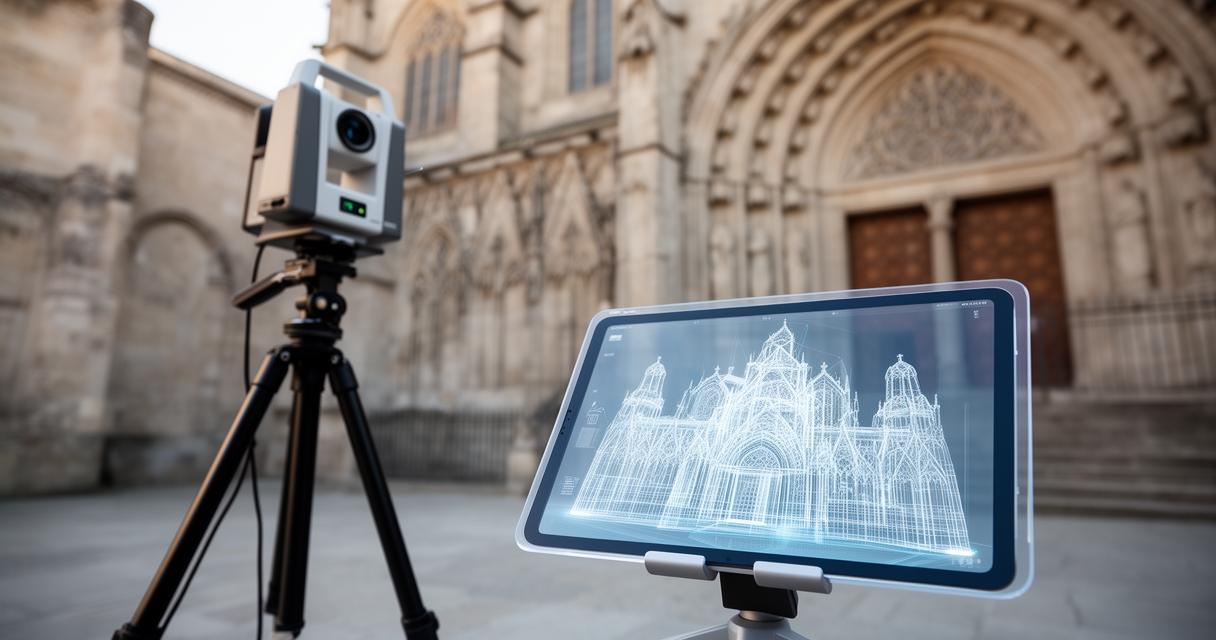
Leading the Way: UK Companies and Businesses Pioneering Digital Heritage Solutions
A growing number of UK companies and specialist businesses are stepping forward to support this transformation, offering everything from bespoke software solutions to fieldwork training grounded in international collaboration. Organisations with offices spanning the United States, Greece, and Gambia demonstrate how heritage management has become a genuinely global endeavour, with professional networking extending far beyond national borders.
As these tools continue to mature, the sector seems poised for even greater integration between technology and tradition. Heritage professionals are increasingly expected to combine practical fieldwork skills with digital fluency, a trend reflected in the growing popularity of certificate programmes and open courses designed to bridge that gap. Ultimately, the future of heritage management in the UK will likely be defined by this ongoing partnership between preservation and innovation, ensuring that the stories of the past remain accessible, engaging, and safeguarded for generations still to come.