Stop-motion animation has a peculiar charm that other filmmaking techniques simply cannot replicate. By capturing still images with slight object movements between each shot, this painstaking craft creates the illusion of motion that feels handmade, warm, and utterly distinctive. Whether you're working with LEGO bricks, clay figures, or humble paper cut-outs, building your own stop-motion film is a wonderfully accessible project for beginners, and increasingly a powerful tool for brands wanting to stand out in a crowded marketplace. This guide walks through the practical steps of setting up your studio, crafting characters, and bringing everything to life frame by frame, before thinking about how to get your finished film in front of the right audience.
Key points
- Stop-motion animation relies on capturing individual frames of movement to create a unique, handcrafted visual experience.
- A stable tripod and a controlled, artificial lighting environment are essential for preventing flickering and maintaining consistency in your shots.
- Beginners can choose from diverse materials like LEGO, clay, or paper cut-outs, each offering different levels of flexibility and ease of use.
- Creating simple character designs with wire armatures helps maintain stability and makes the animation process more manageable for newcomers.
- Planning your project with a storyboard and understanding frame rates (typically 12 to 24 FPS) are critical steps for achieving fluid and believable motion.
- Beyond its artistic appeal, stop-motion is a powerful marketing tool that captures audience attention through its tactile and memorable aesthetic.
Building your stop-motion studio: essential equipment and setup
Every great stop-motion project begins with a solid technical foundation. You don't need a Hollywood budget to get started, but a few key pieces of kit will make an enormous difference to the quality of your finished film.
Choosing the Right Camera and Tripod for Stable Filming
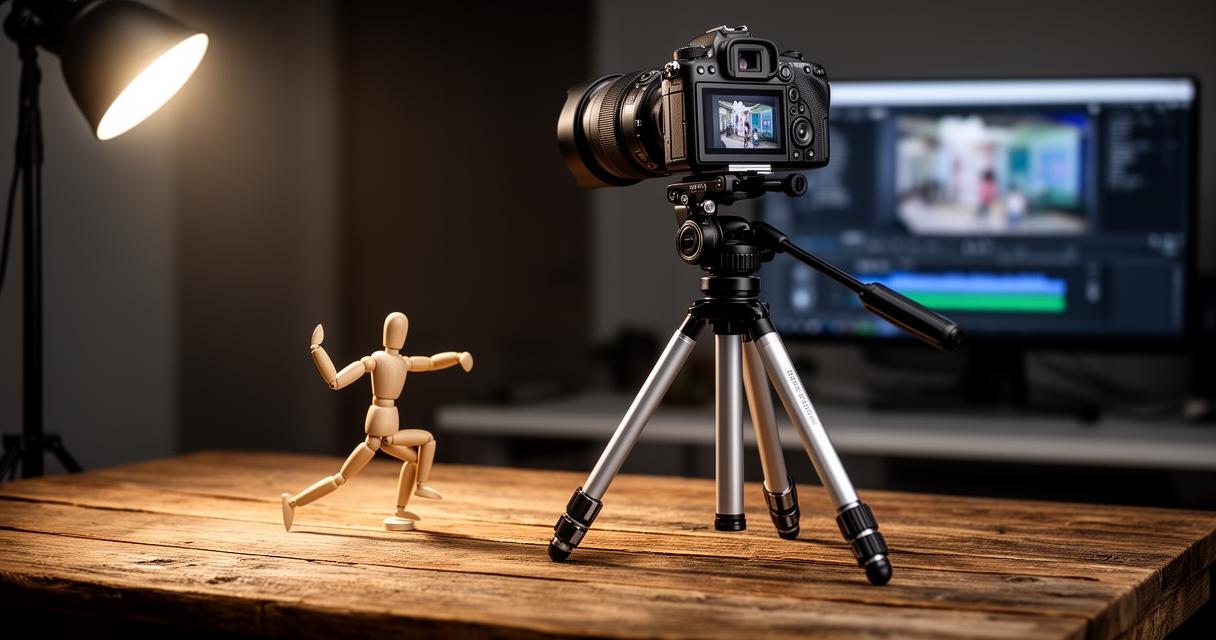
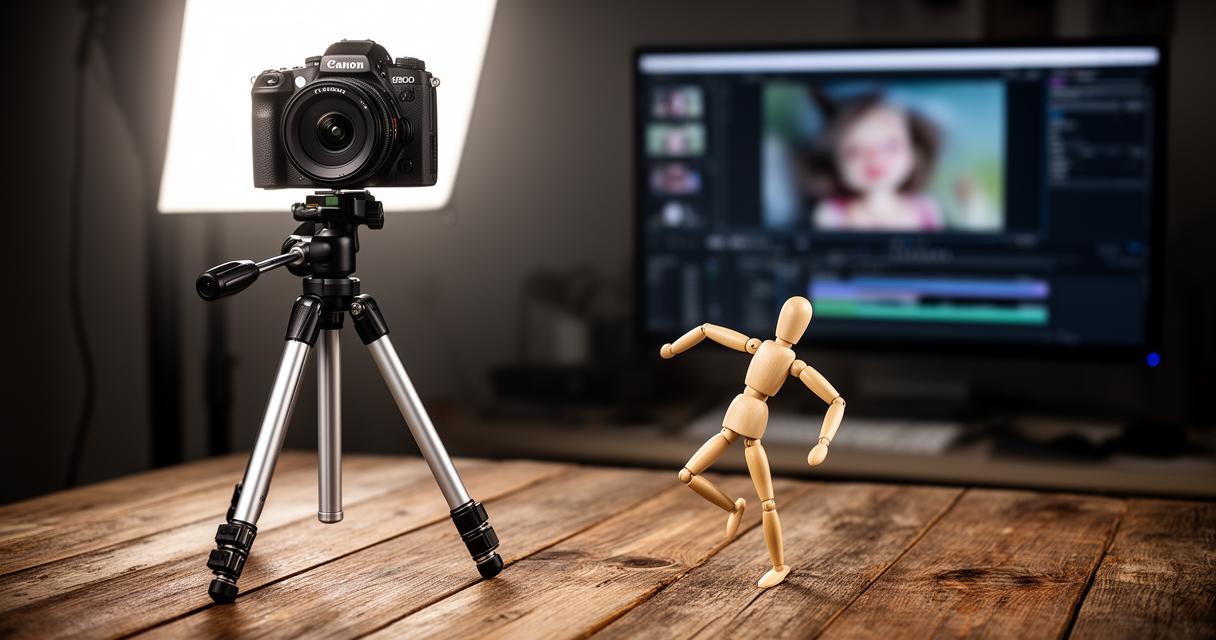
The single most important rule in stop-motion is stability. Even the smallest camera wobble between frames will show up as an irritating flicker in your final footage, so investing in a sturdy tripod is non-negotiable. Many beginners start with a smartphone or a basic DSLR paired with dedicated stop-motion software, which allows you to overlay your previous frame onto the live camera view so you can judge exactly how far to move your subject. Whatever camera you choose, make sure it stays locked in position throughout the entire shoot, only ever moving the objects in front of the lens.
Creating a Controlled Studio Environment for Consistent Lighting
Lighting consistency is where many first attempts fall apart. Natural daylight changes constantly, so a dedicated indoor space with artificial lighting is far more reliable. Soft box lights or even simple desk lamps positioned at consistent angles will help avoid flickering shadows and colour shifts between frames. Whether you're working from a spare room at home or a purpose-built studio, the goal is always the same: a controlled, repeatable environment where nothing changes except the object you're animating.
Crafting your characters: materials and design techniques
Once your studio is ready, it's time to think about who or what will be starring in your film. The beauty of stop-motion lies in its sheer flexibility when it comes to materials.
Working with LEGO, Clay, and Paper Cut-Outs for Character Creation
LEGO offers brilliant rigidity and poseability straight out of the box, making it a favourite among newcomers who want quick results without sculpting skills. Clay, on the other hand, allows for far more expressive, organic movement, though it requires patience and a steady hand to reshape between shots. Paper cut-outs sit somewhere in between, offering a flat, graphic style that's particularly effective for simpler stories or stylised marketing content. Each material brings its own personality to the finished piece, so it's worth experimenting before committing to a single approach.
Character modelling design processes for beginners
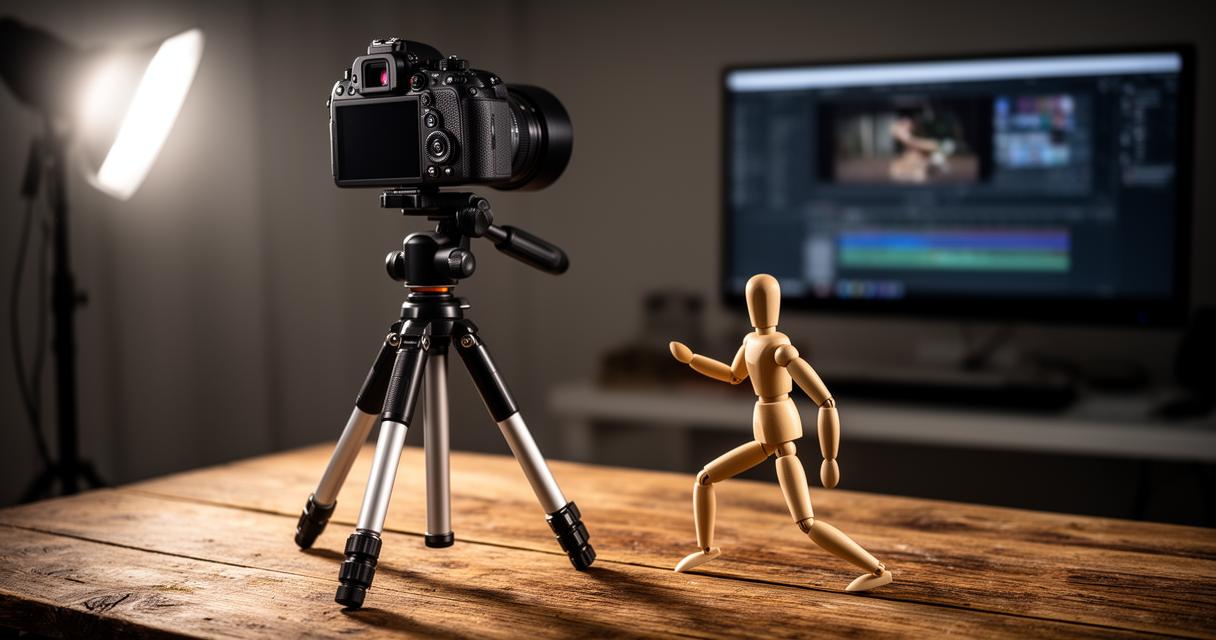
Good character design starts long before the camera comes out. Sketching your characters from multiple angles helps you understand how they'll move and bend once you're animating them. For clay models, building a simple wire armature inside the figure gives you far greater control over poses and stops the material from collapsing under its own weight. Whatever your medium, keep designs simple at first. Overly detailed characters are far harder to animate convincingly, and beginners often find more success with bold, readable shapes that translate well on screen.
Bringing Your Animation to Life: Movement, Timing, and Frame Rates
With your studio built and characters ready, the real magic begins. This is where patience truly pays off, as every second of footage requires dozens of individually captured frames.
Planning Shots and Capturing Realistic Movement Frame by Frame
Before you start shooting, sketch out a rough storyboard so you know exactly what needs to happen in each scene. Breaking movement into small, incremental steps is the secret to believable animation. A character walking across a table might need dozens of tiny adjustments, each captured as its own frame. It helps to plan your shots in advance and think about pacing, since rushing this stage is one of the most common mistakes beginners make. Small tricks, such as slightly varying the timing between frames for quick actions versus slower ones, can dramatically improve the sense of realism.
Understanding Frame Rates: Achieving Smooth Motion at 12 to 24 FPS
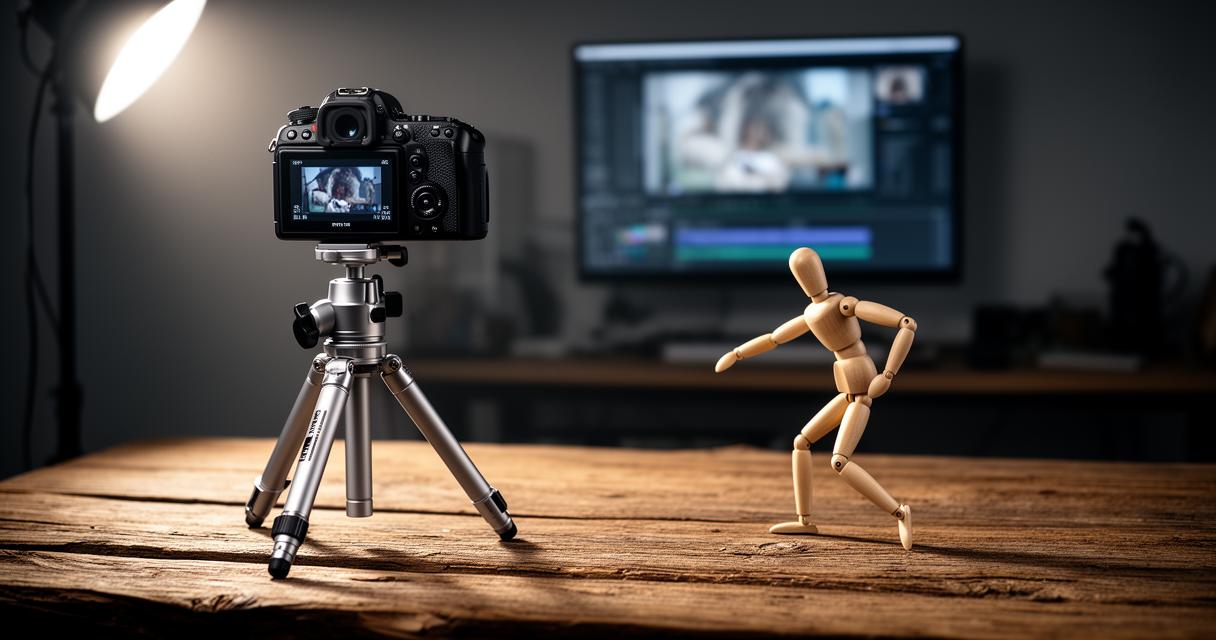
Frame rate is the technical backbone of smooth animation. Most stop-motion films work somewhere between twelve and twenty-four frames per second, with higher rates producing noticeably smoother, more fluid motion at the cost of significantly more shooting time. Beginners often start at the lower end of that range to keep production manageable, before gradually working up to higher frame rates as their confidence grows. Once filming wraps, editing software becomes essential for fine-tuning pacing, adding sound, and correcting any small inconsistencies between frames.
From creative project to marketing powerhouse
Beyond the joy of making something by hand, stop-motion animation has quietly become one of the most effective tools in modern marketing. Brands are drawn to it because it's genuinely memorable, offering a visually striking style that forges real emotional connections with viewers in a way that polished CGI often struggles to match. It's also remarkably versatile, lending itself to product launches, brand stories, and quirky campaigns across almost any industry. In an age of short attention spans, stop-motion is naturally engaging, holding viewers' focus through its tactile, handcrafted charm. The medium supports limitless visual storytelling, letting creative teams build entire worlds from everyday objects, and the results tend to be highly shareable on social media, where distinctive content travels fast. Best of all, it remains a relatively cost-effective production method compared with high-end live action or animation, making it an appealing option for businesses looking to boost brand awareness and audience engagement without a blockbuster budget. For those keen to explore professional support, studios based in London studio and Margate studio locations offer contact details for teams experienced in turning creative concepts into polished, shareable campaigns.