The mid-range smartphone market can be a tricky place to navigate, with countless devices promising the world while delivering distinctly average results. Yet every so often, a handset arrives that genuinely earns its keep, and after weeks of daily use, testing everything from camera performance to battery stamina, this particular device has proven itself a worthy contender for anyone seeking quality without the flagship price tag.
At a glance
- The Umidigi A7 Pro features a MediaTek Helio P23 processor, making it well-suited for daily tasks and routine usage rather than demanding graphical workloads.
- Its quad-camera system captures high-quality, natural-looking photos in daylight, though low-light performance remains typical for its budget segment.
- The 4150mAh battery provides reliable full-day endurance, although it lacks fast-charging capabilities.
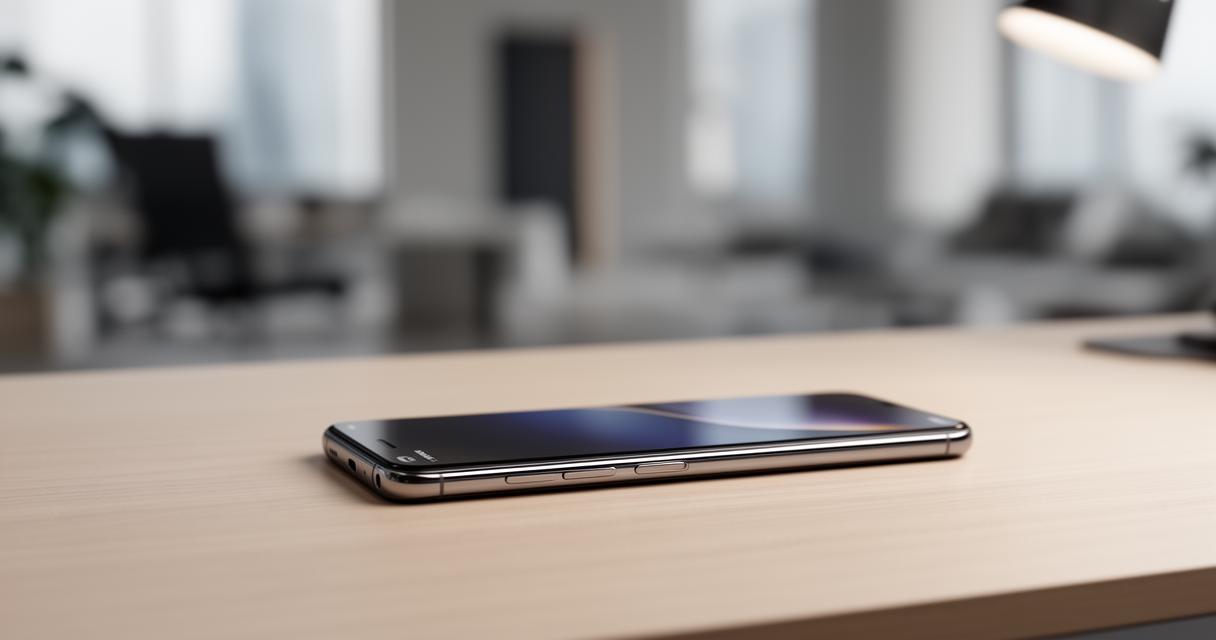
- The device stands out for its premium design, featuring a durable combination of an all-glass back and a metal frame.
- Its Full HD+ display offers sharp, vibrant visuals that maintain consistent quality under daily usage conditions.
- The software experience is clean and intuitive, avoiding excessive bloatware and providing a smooth interface for the user.
- Overall, the phone offers a strong value proposition by delivering features and build quality that exceed its affordable price point.
Performance capabilities and real-world usage testing
Under the bonnet, the Umidigi A7 Pro runs on a Mediatek Helio P23 processor clocked at 2.0GHz, paired with an ARM Mali-G71 MP2 graphics chip. This combination won't set any speed records, but it handles the sort of daily grind most people actually need, from scrolling through social feeds to juggling multiple apps without excessive lag. Buyers can choose between 64GB and 128GB storage variants depending on how many photos, apps and downloads they plan to hoard. In benchmark terms, the handset scored around 112,000 points on AnTuTu, a figure that places it comfortably within expectations for its price bracket, confirming it's built for routine tasks and light gaming rather than demanding graphical workloads.
Camera quality and imaging performance across various lighting conditions
Photography is where this phone genuinely surprises. The quad-camera setup on the rear includes a 16MP primary sensor, an 8MP wide-angle lens, a 5MP depth sensor for portrait shots, and a 5MP macro lens for close-up detail. In good daylight, images come out crisp and well-balanced, with colours that feel natural rather than oversaturated. Low-light performance is more of a mixed bag, as is typical at this price point, though it's still usable for casual snapping. Round the front, a 16MP selfie camera with an f/2.0 aperture handles video calls and social media content with reasonable clarity. Video recording tops out at 1080p at 30fps, and there's a fun slow-motion mode running at 120fps for capturing movement with a bit of flair.
Battery longevity and power management throughout extended use
Battery life is arguably one of the strongest selling points here. A 4150mAh cell keeps the device running comfortably through a full day of mixed use, whether that's streaming video, browsing, or messaging friends. The bundled 10W charger does the job, though it's worth noting there's no fast-charging support, so topping up does take a bit longer than some rivals. Still, for anyone who values longevity over rapid refuelling, this trade-off feels perfectly reasonable.
Build quality and display technology assessment
First impressions matter, and the design here punches well above its price. The combination of an all-glass back and a sturdy metal frame gives the phone a genuinely premium feel in the hand, a detail that often gets sacrificed in the budget-to-mid-range segment. It's a handset that doesn't feel like a compromise, even when you know exactly how much it costs.
Screen durability and visual performance under daily demands
The display uses Full HD Plus resolution at 2340 by 1080 pixels, delivering a pixel density of 403 PPI. That translates into sharp text, vibrant colours and smooth visuals whether you're watching videos or reading articles. Daily wear and tear hasn't caused any noticeable dimming or colour shift during testing, suggesting the panel holds up well under regular handling and typical screen time.
Physical dimensions and construction materials evaluation
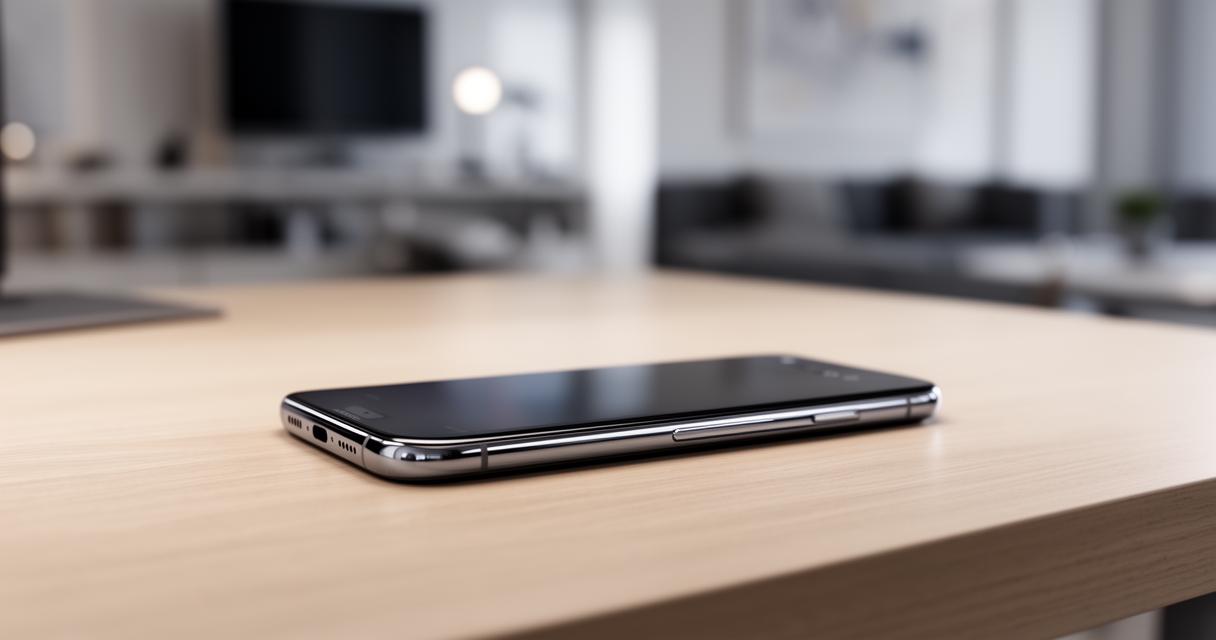
Weighing in at 212 grams, the phone has a reassuring heft without tipping into uncomfortable territory. It feels substantial rather than flimsy, which many users associate with better build quality, even if that's not always strictly true. The materials chosen, glass and metal, reinforce that sense of durability, and the phone is available in two attractive finishes: Cosmic Black and Ocean Blue, both of which suit a range of personal styles.
Android experience and value proposition analysis
Software experience plays a huge role in how a phone feels day to day, and this is another area where the device holds its own.
Operating system integration and user feedback
Running on Android, the interface feels familiar and intuitive, without excessive bloatware cluttering the experience. Users have generally responded positively, praising the smooth navigation and the fact that the software doesn't feel like an afterthought bolted onto affordable hardware. It's a refreshing approach that respects the buyer's time and patience.
Price-to-performance ratio and overall market positioning
When you weigh everything together, the camera setup, the display quality, the battery endurance and that unexpectedly premium design, the value proposition becomes clear. This is a phone that punches above its price category, offering features and build quality that would typically command a higher cost elsewhere. For anyone hunting for an affordable price without sacrificing everyday usability, the Umidigi A7 Pro stands out as a genuinely sensible choice, proving that sensible spending doesn't have to mean settling for mediocrity.